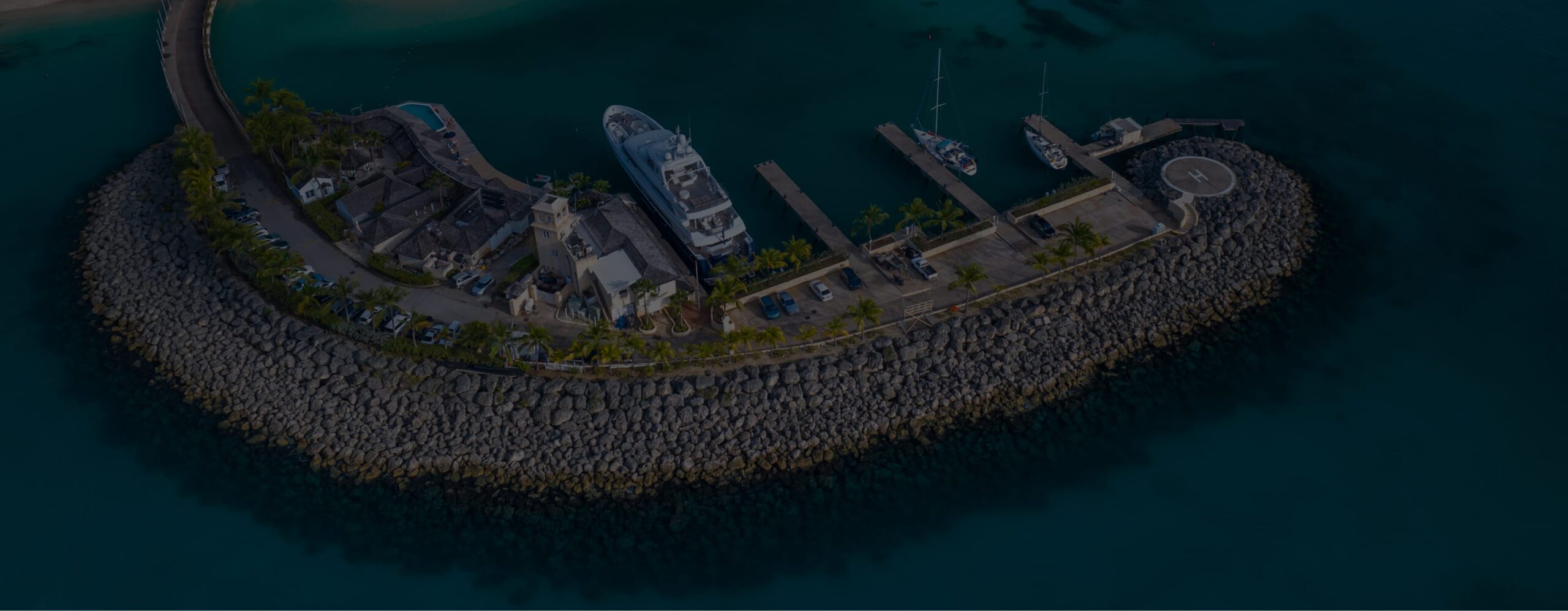
With its year-round sunshine, crystal-clear Atlantic waters, and the bustling activity of Biscayne Bay, Miami is a premier destination for boaters. Whether you are navigating a center console through Haulover Inlet or enjoying a sunset cruise on a yacht, the water is a central part of life here. However, with heavy maritime traffic comes the inherent risk of accidents.
If you have been injured in a vessel collision or a capsizing event, you may be worried that your own actions—such as a momentary lapse in judgment or a minor navigation error—bar you from seeking compensation. The short answer is: No, being partially at fault does not automatically disqualify you from recovering damages. However, Florida’s laws regarding negligence have recently undergone significant changes. Understanding how “comparative fault” works in the context of Miami’s waterways is essential for any injured party.
Understanding Florida’s Modified Comparative Negligence Standard
In March 2023, Florida shifted from a “pure” comparative negligence system to a “modified” comparative negligence system. This change has a major impact on how boating accident victims recover money.
Under the current law, you can still recover damages as long as your percentage of fault is not greater than 50%. If a court or insurance company determines you were 10%, 30%, or even 50% responsible for the accident, you can still receive compensation, though your total award will be reduced by your percentage of fault. For example, if your total damages are $100,000 but you are found to be 20% at fault, you would receive $80,000.
Note: If you are found to be 51% or more at fault, you are legally barred from recovering any money from other negligent parties under Florida state law. This makes the skill and evidence presented by your legal team more critical than ever before.
Common Scenarios of Shared Fault in Boating Accidents
Maritime environments are complex, and fault is rarely black and white. Several factors might lead to a finding of partial fault, including:
- Excessive Speed: You may have been hit by another vessel, but if you were exceeding a “no-wake” zone speed limit, you could share liability.
- Lookout Failures: Failing to maintain a proper lookout is one of the most common citations in boating accidents.
- Equipment Issues: If your navigation lights were malfunctioning at night, even if another boater struck you, your lack of visibility could contribute to the fault percentage.
- Alcohol Involvement: If a boater was operating under the influence, they will likely bear the majority of the fault, but the other party’s actions will still be scrutinized.
The Role of Maritime Law vs. State Law
Boating accidents are unique because they often fall under Federal Maritime Law (Admiralty Law) rather than just Florida state law. This distinction is vital. Maritime law generally follows a “pure” comparative negligence standard, which does not have the 50% cutoff found in Florida’s state statutes.
Determining whether your case falls under state law or federal admiralty jurisdiction depends on where the accident occurred (e.g., navigable waters) and the type of activity involved. This is why it is imperative to work with a firm that specializes specifically in the complexities of the sea.
How Brais Law Firm Protects Your Recovery
Navigating the aftermath of a collision is overwhelming, especially when insurance companies try to shift the blame onto you to minimize their payouts. At Brais Law Firm, we specialize in fighting back against these tactics.
When you choose to work with our Miami boating accident lawyers, we provide a comprehensive approach to your recovery:
- Meticulous Investigation: We don’t just take the police report at face value. We work with maritime experts, accident reconstructionists, and investigators to analyze GPS data, vessel damage, and witness testimony.
- Determining Jurisdiction: We analyze whether state or federal maritime law applies to your case to ensure you are protected by the most favorable legal standards available.
- Countering “Blame the Victim” Tactics: Insurance defense attorneys are trained to maximize your percentage of fault to save money. We are trained to neutralize those arguments with hard evidence.
- Calculating True Damages: We ensure that your claim accounts for all losses, including medical expenses, lost wages, pain and suffering, and future rehabilitation costs.
Experience You Can Trust
The legal team at Brais Law Firm brings decades of experience specifically in maritime and admiralty law. Our founding partner, Keith Brais, is Board Certified in Admiralty & Maritime Law, a distinction held by only a small fraction of attorneys. We have spent years in the trenches of the maritime industry, giving us an “insider” perspective on how vessels operate and how accidents truly happen.
We understand the nuances of the Florida Longshoremen’s Act, the Jones Act, and general maritime negligence. Whether your accident involved a jet ski, a commercial fishing boat, or a luxury yacht, we have the specialized knowledge required to navigate these choppy legal waters.
Contact Brais Law Firm Today
If you were injured on the water, do not let the fear of being “partially at fault” stop you from seeking the justice you deserve. The difference between a 50% fault rating and a 51% fault rating is the difference between a recovery and nothing at all. You need a firm that understands the stakes.
Contact Brais Law Firm today for a free consultation. We will review your case, explain your rights, and help you chart a course toward financial recovery.