
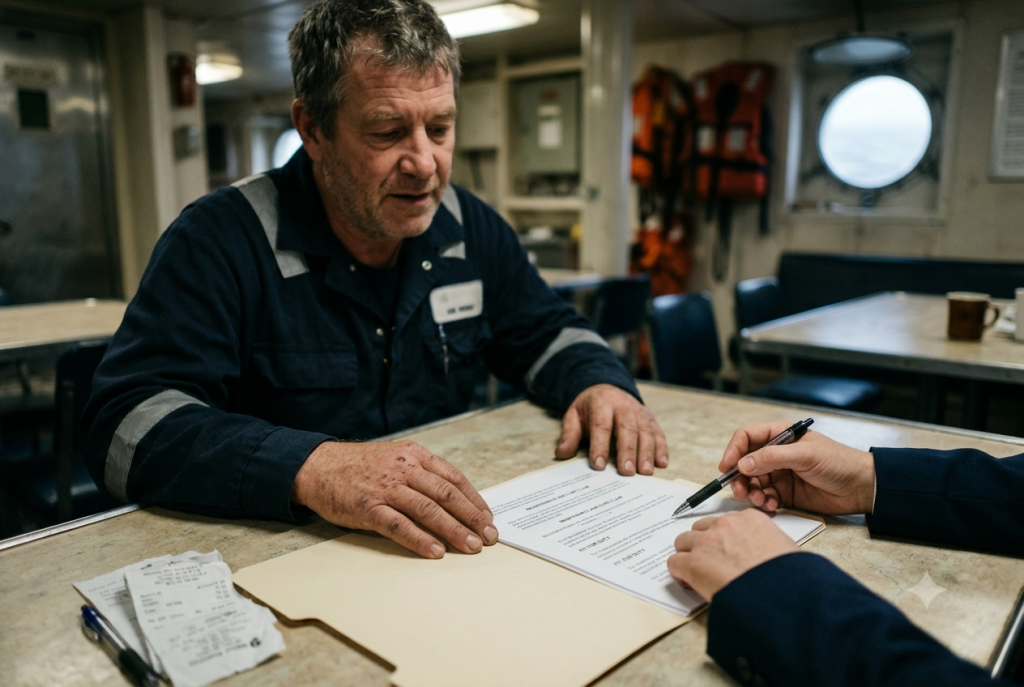
Working on a cruise ship is unlike any other job in the world. While passengers view these vessels as floating resorts, crew members understand the reality: it is a demanding, high-stakes industrial environment where work continues 24/7. When an accident occurs—whether it involves a slip on a galley floor, a lifting injury in the provisions department, or an illness manifesting while at sea—the financial and physical consequences can be devastating.
If you are a crew member currently facing the uncertainty of an injury or illness, you need to understand one of the most critical protections in maritime law: Maintenance and Cure. At Brais Law Firm, we have spent over two decades fighting for the rights of seafarers. Navigating these claims requires specific knowledge of General Maritime Law, and understanding your rights is the first step toward recovery.
Understanding the Doctrine of Maintenance and Cure
Maintenance and cure is an ancient maritime doctrine, rooted in the idea that shipowners have a duty to care for the crew who serve them. Because seafarers are often isolated and vulnerable when injured, the law provides a safety net that is entirely independent of fault.
What Is Maintenance?
Maintenance is a daily stipend provided by your employer to cover your basic living expenses while you are recovering onshore. Because you are no longer receiving the room and board that was provided aboard the ship, maintenance is intended to cover essential costs such as food, rent, and utilities.
What Is Cure?
Cure refers to the employer’s obligation to pay for all reasonable and necessary medical expenses related to your injury or illness. This includes hospital stays, surgery, diagnostic tests, physical therapy, prescription medication, and travel expenses to and from your medical providers.
The “No-Fault” Reality: Why It Matters
One of the most misunderstood aspects of maritime injury claims is the role of fault. Unlike many land-based workers’ compensation systems, maintenance and cure is a no-fault remedy.
Even if the accident was caused by your own negligence, your employer is still legally obligated to pay these benefits. The only rare exceptions involve willful misconduct or intentional self-inflicted injury. For the vast majority of crew members, the question is not “Who caused the accident?” but rather “Are you currently fit for duty?”
This protection persists until you reach what is known as Maximum Medical Improvement (MMI)—the point at which your condition is stable and further medical treatment will not lead to additional improvement.
Cruise Ship Safety and the Risks Crew Face
While the cruise industry maintains high safety standards for passengers, the reality for crew members is often different. According to recent research, while large-scale operational disasters are rare, thousands of crew members suffer from preventable workplace injuries every year.
Statistics regarding cruise ship mortality and injury highlight the risks:
- High-Energy Trauma: Falls from heights or into open spaces remain a significant cause of injury and fatality among crew.
- Occupational Hazards: From repetitive stress injuries in the galley to heavy lifting accidents in storage areas, the physical toll is immense.
- The Isolation Factor: Crew members are often thousands of miles from home when an injury occurs. This geographic isolation makes the prompt payment of maintenance and cure not just a legal entitlement, but a humanitarian necessity.
Protecting Your Rights: The Importance of Legal Counsel
Employers sometimes attempt to cut off benefits prematurely, argue that a condition was “pre-existing,” or pressure crew members to sign release forms that waive their rights. In some cases, employers may even use “independent” medical examiners who are incentivized to declare a crew member “fit for duty” before they are truly healed.
If your employer denies your claim, refuses to pay a reasonable maintenance rate, or fails to cover necessary medical treatment, you may be entitled to more than just your original benefits. Courts have held that if an employer acts with “callous indifference” in denying these obligations, they can be held liable for compensatory damages, attorney’s fees, and, in some cases, punitive damages.
If you have been injured, you should consult with a cruise ship accident lawyer to ensure your employer is meeting its legal obligations.
Disclaimer: This blog post is for informational purposes only and does not constitute formal legal advice. Maritime law is highly complex and fact-specific. If you have been injured while working aboard a cruise ship or vessel, please contact Brais Law Firm to discuss your specific situation. This information is intended to provide a general overview and does not create an attorney-client relationship.