
 After an accident on a cruise ship, the physical pain and emotional stress are often followed by a wave of complex legal questions. You might be recovering at home in New York, Texas, or California, wondering if you can simply call a local lawyer and file a claim in your home county. It is a logical assumption. After all, that is how most personal injury cases work. However, the cruise industry operates under a unique set of rules that often catches passengers off guard.
The short answer for the vast majority of travelers is that you likely cannot sue in your home state. Instead, you will almost certainly have to file your lawsuit in a specific federal court in Florida. Understanding why this happens and how it affects your case is the first step toward securing the compensation you deserve.
The Power of the Ticket Contract
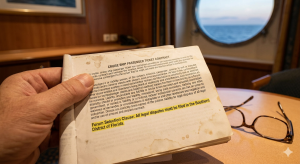
When you booked your cruise, you were issued a passenger ticket contract. Most people treat this as a standard receipt and never read the fine print. Within those dozens of pages of legalese is a critical clause known as a Forum Selection Clause. This clause is a legally binding agreement that dictates exactly where any legal disputes must be heard.
Major cruise lines like Carnival, Royal Caribbean, Norwegian, and Celebrity are headquartered in South Florida. To protect themselves from being sued in fifty different states, they include language in their contracts requiring all lawsuits to be filed in the United States District Court for the Southern District of Florida, located in Miami. The Supreme Court has upheld these clauses, meaning that even if you have never set foot in Florida outside of the cruise terminal, your legal battle will happen there.
Why Your Home State Court Will Dismiss Your Case
If you try to file a lawsuit in your home state against a major cruise line, the cruise line’s legal team will immediately file a motion to dismiss based on the forum selection clause. In almost every instance, the local judge will grant that motion. This can lead to a devastating result: if you spent months fighting in the wrong court and your statute of limitations expires, you could be barred from ever filing your claim in the correct court in Florida.
This is why it is vital to consult with a cruise ship passenger accident attorney who understands the specific procedural requirements of maritime law. Navigating these waters requires more than just general personal injury knowledge; it requires an understanding of how federal maritime statutes interact with the specific contracts written by the cruise lines.
The Statute of Limitations Is Shorter Than You Think
In many states, you have two or three years to file a personal injury lawsuit. In the world of cruise ship litigation, that timeline is drastically compressed. Most cruise contracts require you to provide written notice of your intent to sue within six months of the injury. Furthermore, the contract usually mandates that the actual lawsuit must be filed within one year of the incident.
If you spend your first year trying to navigate a claim in your home state, you will likely miss the one-year filing deadline required by the maritime contract. This is a trap that many general practice attorneys fall into, which is why working with a firm that specializes in maritime law is a necessity rather than an option.
What Is General Maritime Law?
Because your injury occurred on a vessel in navigable waters, your case is governed by federal maritime law, not the laws of your home state or even necessarily the laws of Florida. Maritime law is a distinct body of law that has evolved over centuries. It covers everything from slip and fall accidents on a wet lido deck to medical malpractice by a shipboard doctor and even shore excursion injuries.
Proving negligence in a maritime setting is different than proving negligence in a car accident. For example, the cruise line has a duty to exercise reasonable care under the circumstances, but there are specific nuances regarding notice of a dangerous condition that must be met to hold them liable. A Florida-based firm that lives and breathes these regulations will know how to gather the right evidence, such as ship maintenance logs and CCTV footage, before it is overwritten.
How Brais Law Firm Navigates Your Claim
At Brais Law Firm, we understand the frustration of being injured far from home and then being told you have to fight your legal battle in a different state. We serve as the bridge for injured passengers across the country who are forced to bring their claims to Florida. Our deep roots in Miami and our extensive experience in the Southern District of Florida give our clients a distinct advantage.
We handle the heavy lifting so you do not have to worry about the geographical distance. Our team is well-versed in the specific tactics cruise lines use to delay or deny claims. We know the judges, we know the federal rules of procedure, and we know exactly how to challenge the cruise line’s defenses. From the moment you contact us, we focus on preserving evidence and meeting the strict contractual deadlines that could otherwise derail your recovery.
The Benefits of Local Expertise in Miami
Since the cruise lines are located here, their employees, safety officers, and corporate representatives are also here. Conducting discovery, taking depositions, and attending court hearings is much more efficient when your legal team is located in the same city as the cruise line’s headquarters. We have the resources to investigate the ship’s history and uncover if similar accidents have happened in the past, which is often a key component in proving notice of a hazard.
You do not have to navigate this alone. While the law might require you to sue in Florida, it does not mean you are at a disadvantage. By hiring a firm that specializes in this niche field, you ensure that the cruise line is held to the highest standard of accountability.
Contact Us for a Free Consultation
If you were injured while traveling on a cruise, time is your biggest enemy. Do not wait until the one-year anniversary of your accident to find out that you should have filed in Miami. Whether you suffered a broken bone, a head injury, or any other harm due to the cruise line’s negligence, we are here to help you seek justice.
Contact Brais Law Firm today to discuss your case. We provide free consultations and work on a contingency fee basis, meaning you pay nothing unless we recover money for you. Let us put our maritime expertise to work for you while you focus on your recovery. Visit our website at braislaw.com to learn more about your rights as an injured passenger.